Most day-trip lists from Seville point the same direction: Italica for the ruins, Cadiz or Ronda for the drama, Jerez for the sherry. Carmona gets a line, maybe two, and then gets skipped. That's the mistake. It's closer than any of those, easier to reach, and it holds one of the best-preserved Roman burial sites in Spain, a place where you can walk down into actual tombs with nobody else around.
Carmona is a working hill town east of Seville, not a museum piece built for tour buses. It has its own walls, its own fortress, its own layered history running from Carthaginians through Romans, Visigoths and the Moorish period into Christian Spain. But the reason to go, specifically, is the necropolis.
What the necropolis actually is
The Roman necropolis of Carmona dates from around the 1st century BC through the 2nd century AD and was used by the town's wealthier families, who buried their dead in underground chamber tombs cut and built into the hillside rather than in simple graves. More than a handful of these tombs survive well enough to enter, and a number are open for visitors to walk into on their own, no guide required, no barrier at the entrance.
The two tombs people remember are the Tumba de Servilia, a large columned chamber tomb built for an important family and big enough to feel like a small underground building rather than a grave, and the Tumba del Elefante, named for a stone elephant statue found there, which has a sunken courtyard, niches for funerary urns, and chambers that likely stored food and wine for rituals connected to the dead. Walking into either one, the first thing that registers is the cool air and the quiet — these are stone rooms built two thousand years ago, and for long stretches you'll be the only one standing in them.
The site also includes a small on-site museum with objects recovered from the tombs: glass vessels, urns, jewelry, fragments of wall painting. It's modest in scale, which is part of the point. Nothing here has been dressed up for crowds, because the crowds mostly aren't coming.
Why almost nobody goes
There's no single reason, more a stack of small ones. Carmona doesn't have the postcard pull of Ronda's gorge or the brand recognition of Jerez's sherry houses. It's not on the standard Seville-Cordoba train corridor, so travelers doing a rail-based Andalusia itinerary tend to skip towns that need a bus or a car. And the necropolis itself is on the edge of town, a short walk from the historic center but far enough that people doing a rushed visit don't make it there — they see the old quarter, the fortress, and head back.
That's a shame, because the necropolis is arguably the most specific, least replaceable thing in Carmona. The old town is handsome but shares a family resemblance with plenty of other Andalusian hill towns. The underground tombs do not — there's nothing quite like them in central Seville, where Roman-era remains are mostly fragmentary or built over.
⭐ Go in the morning if you can. The tombs are underground and naturally cool, but the walk there and around the site is exposed, and Carmona in summer gets just as hot as Seville — see shade for how brutal that heat can be and how to plan around it.
Getting there from Seville
Carmona sits close enough to Seville that it works as a half-day trip rather than a full one, which is part of why it's worth fitting in even on a short visit. Regular bus services run from Seville to Carmona, and the ride is short. Driving is straightforward too, and parking near the old town is generally easier than anything in central Seville — see getting around for the general logic of buses versus driving versus trains for trips outside the city.
Once in Carmona, the necropolis is a walk from the old town, not a taxi ride — comfortable shoes matter more than any guidebook tip. ⚠️ The site has specific days or periods when it's closed to visitors, as is common for small archaeological sites in Spain, and hours shift across the year. Don't build a trip around assumptions; check the current schedule with the site's operator before you go, especially if Carmona is the only reason for your day out.
What else to fold into the trip
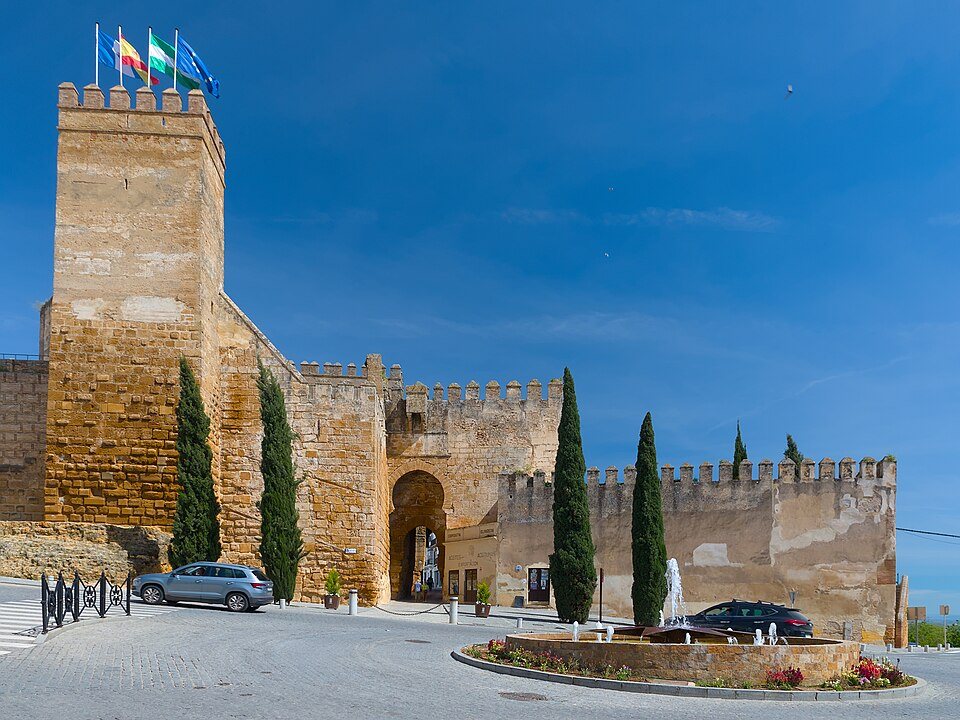
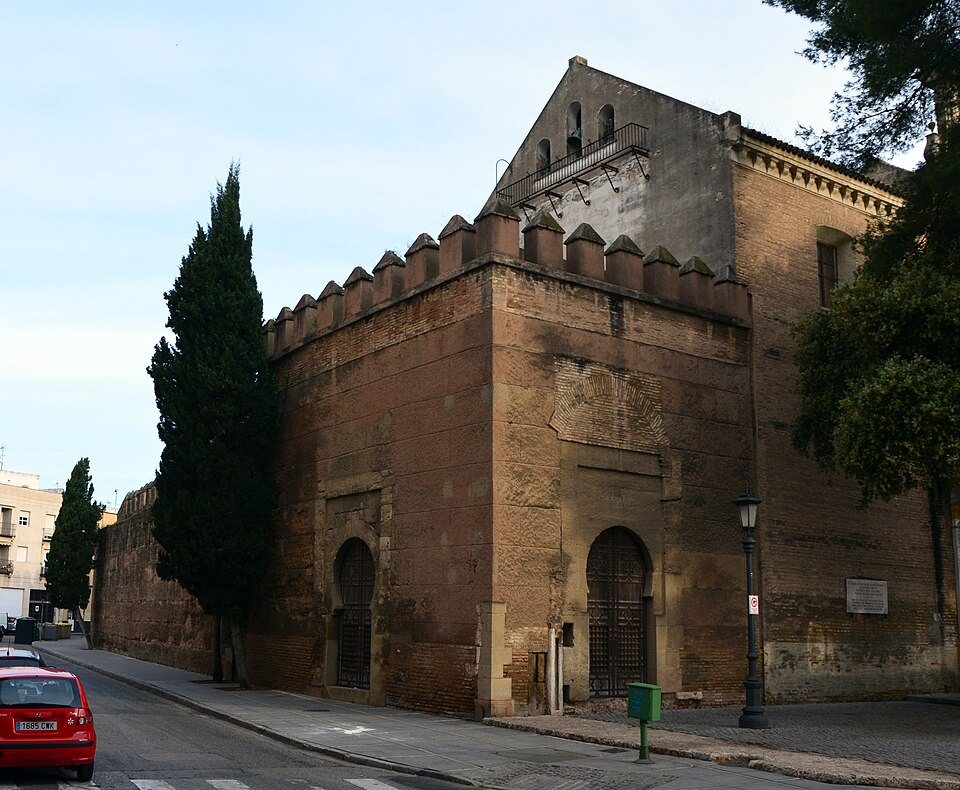
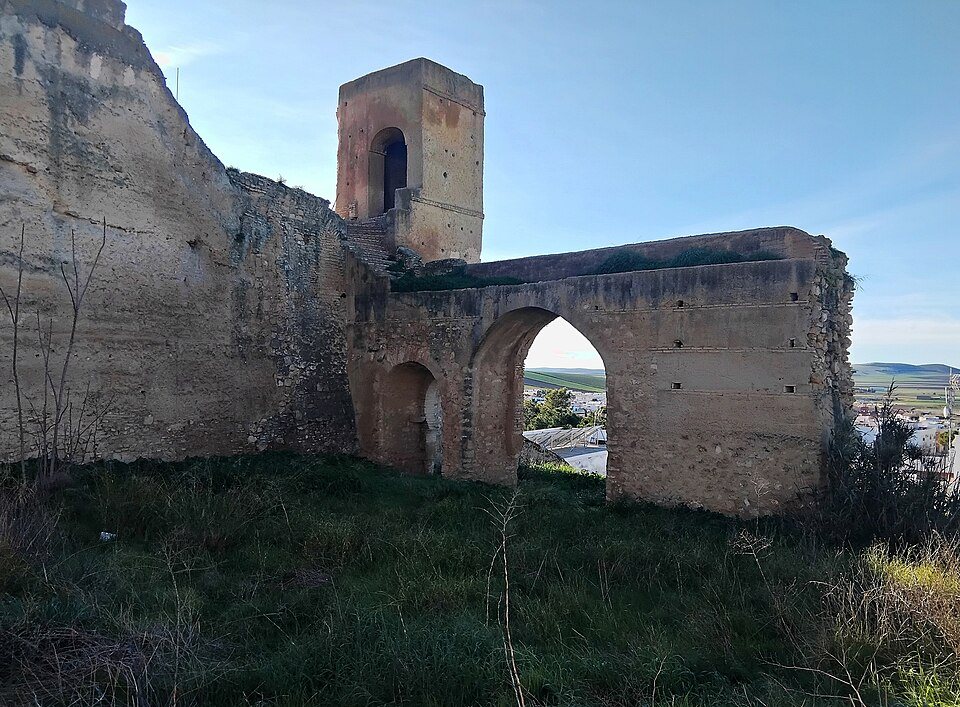
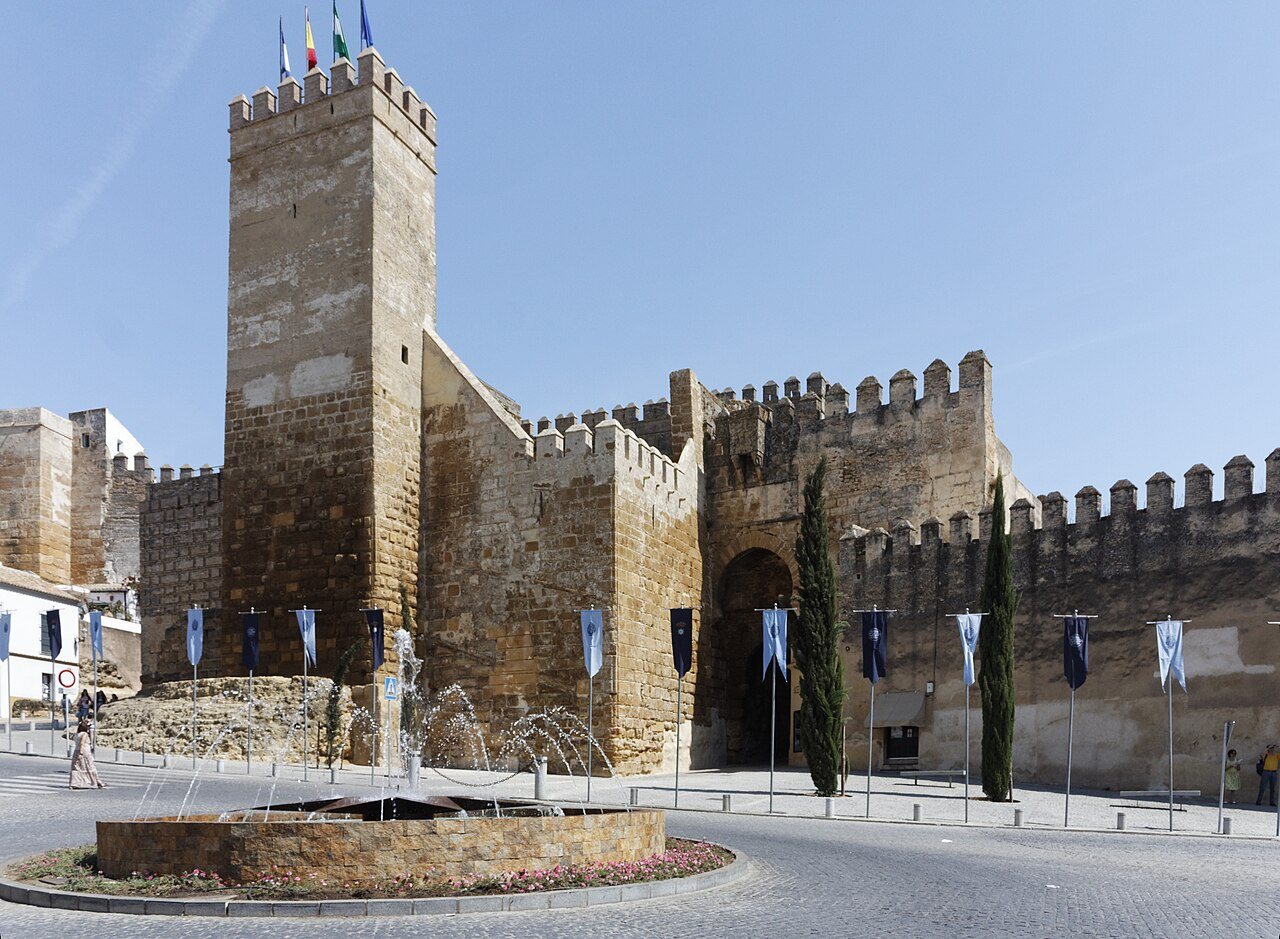
Since you're already out there, it's worth seeing a bit more of the town rather than treating the necropolis as a drive-through stop. Carmona's old quarter sits on a ridge, walled, with a fortress — the Alcazar del Rey Don Pedro, built on earlier Moorish and Roman foundations — now partly used as a parador, so you can walk into its grounds even without staying there. The Puerta de Sevilla, the old gate into town built over earlier Moorish and Roman defenses, is worth a slow look at the entrance, and the town's churches, done in the same Mudejar-influenced style familiar from central Seville, are low-key and empty of tour groups.
If you're building out a full day-trips itinerary from Seville, Carmona pairs naturally with a visit to Italica on a different day rather than the same one — both are Roman, but doing them back to back blurs together rather than compounds. If you only have one day for Roman Spain outside the city, pick based on what you want: Italica for an amphitheater and mosaic floors at a larger excavated site, Carmona for the necropolis and the sense of having a two-thousand-year-old room to yourself. See day trips for how the two compare and what else sits within range of the city.
Back in Seville, there's no real equivalent to the Carmona tombs — the city's Roman layer shows up mostly in fragments, column remnants built into later structures, foundations glimpsed under glass. For anyone curious how Roman Seville connects to what you've just seen underground in Carmona, it's worth asking at the Museo de Bellas Artes or checking current exhibits, since Roman-era finds from the region surface in collections around the city even when they're not the headline attraction.
In pictures