The Real Alcázar is the one sight in Seville where showing up and hoping for the best genuinely does not work most of the year. It runs on a timed-entry system, and understanding what that time slot actually controls — and what it doesn't — will save you a wasted morning standing at a gate that isn't opening for you.
What the timed slot is actually for
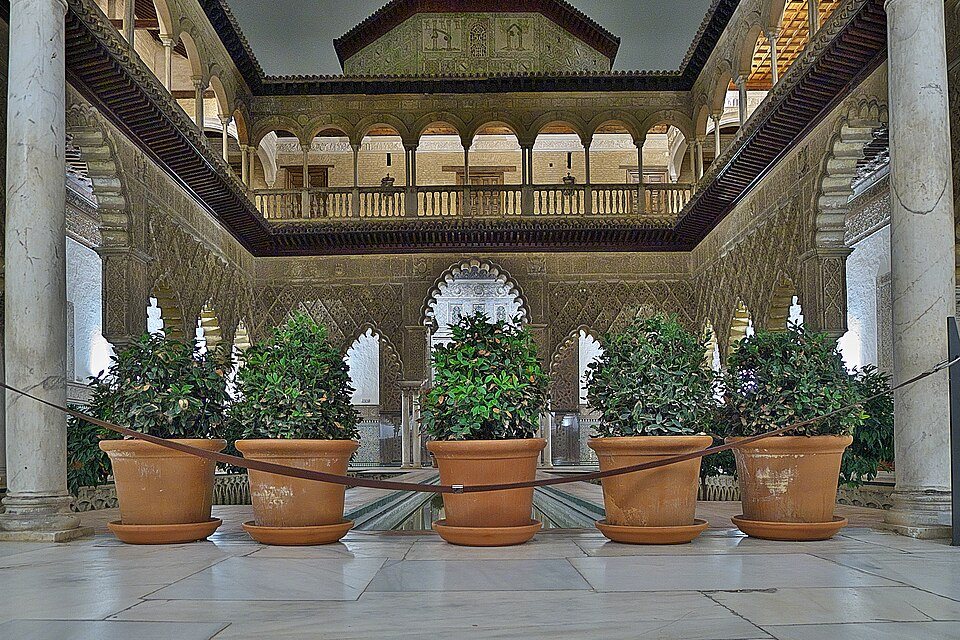
The slot printed on your ticket is an entry window, not a tour schedule. It governs when you're allowed to pass through the security check and turnstile at the entrance gate, nothing more. Once you're inside, there's no second checkpoint moving you along and no staff hurrying you out of the state rooms or the gardens after a fixed number of minutes. You can wander the Patio de las Doncellas at your own pace, double back to a courtyard you rushed through, and sit in the gardens for as long as you like. The mechanism exists purely to spread out arrivals so the entrance doesn't back up into a solid crowd on the plaza outside — it's crowd control at the door, not a stopwatch on your visit.
That distinction matters because people often assume the palace is timing their whole visit and rush the interior rooms as a result. There's no need. Budget your visit by how much you actually want to see — the working palace rooms, the older Mudéjar core, the gardens, the Patio del León — rather than by the number on your ticket.
How much slack the entry window gives you
Operators building timed-entry systems generally build in a grace period around the printed time, letting you through a bit early or a bit late without turning you away. The Alcázar's own booking system and site are the only place to find out exactly how that grace period is defined for your ticket type, since it can change with the season and with how the venue is managing demand that particular month. Don't guess and don't rely on what worked for someone else's visit last year — check the confirmation email or the booking platform directly before you plan your morning around it.
⚠️ What the grace period does not cover is a no-show. If you miss your slot outside that window, most ticket types are not simply reissued at the gate for a later time that day. Arriving even one Metro delay or one long lunch too late can mean the ticket is void, and same-day walk-up availability is not guaranteed, especially from spring through early autumn.
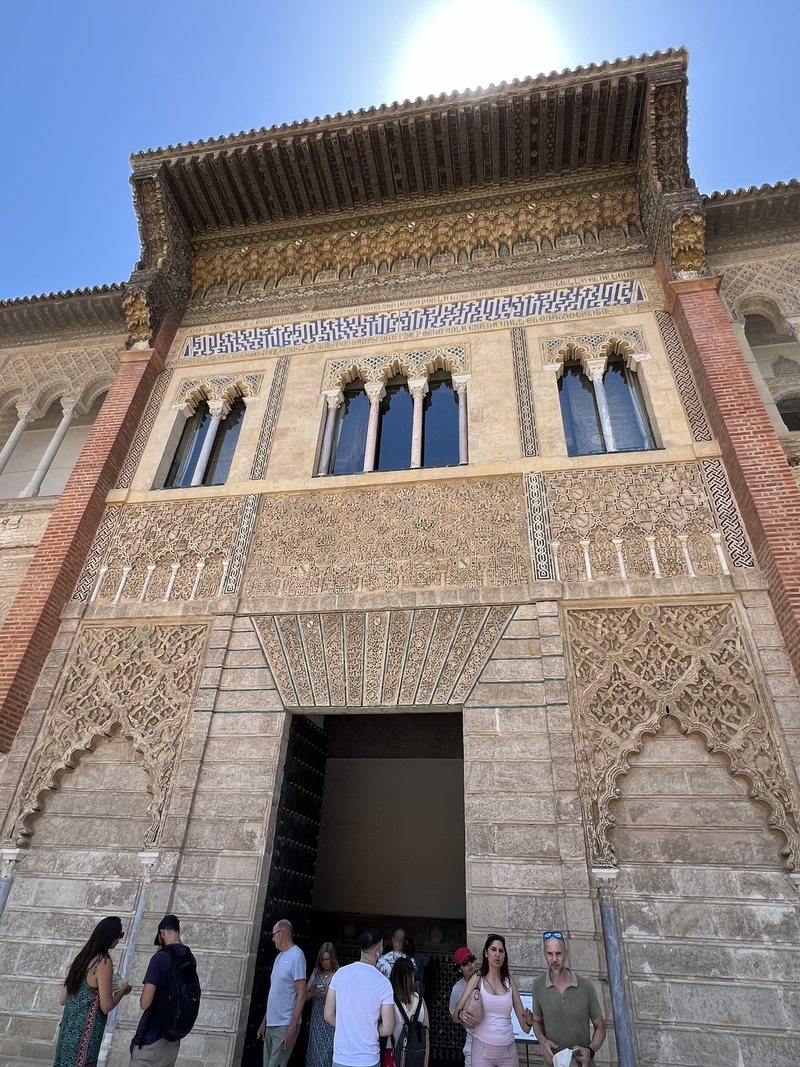
⭐ Build in more slack than you think you need to get to the gate. The approach through Santa Cruz looks short on a map but the last stretch is often a slow shuffle through a narrow, crowded lane, and the security screening at the entrance itself can add a real queue even once you're through the gate area.
Booking ahead versus buying at the door
Advance booking through the official channel is the reliable route, and for anyone visiting in the warmer months or over a weekend, it's close to essential rather than optional — slots for popular days can be gone well before the date arrives. The palace does sell tickets at the on-site ticket office too, but that stock is limited, sells out on short notice, and shouldn't be the backup plan for a trip with a fixed schedule.
Third-party resellers and tour bundles also draw from the same pool of timed slots, so a ticket bought through a tour operator is still bound by the same entry-window mechanism described above — a guided tour doesn't exempt you from it. If you book a guided visit, confirm with the operator how they handle the meeting point and the gate, since guides often have a separate queue but still need you there for their group's actual slot.
The official site is where slot availability, any age-based or resident conditions, and current entry procedures are listed, and it is the only place worth trusting for that information — it changes with the season and with the palace's own operating decisions, so nothing printed elsewhere, including here, should be treated as fixed.
What to expect once you're through the gate
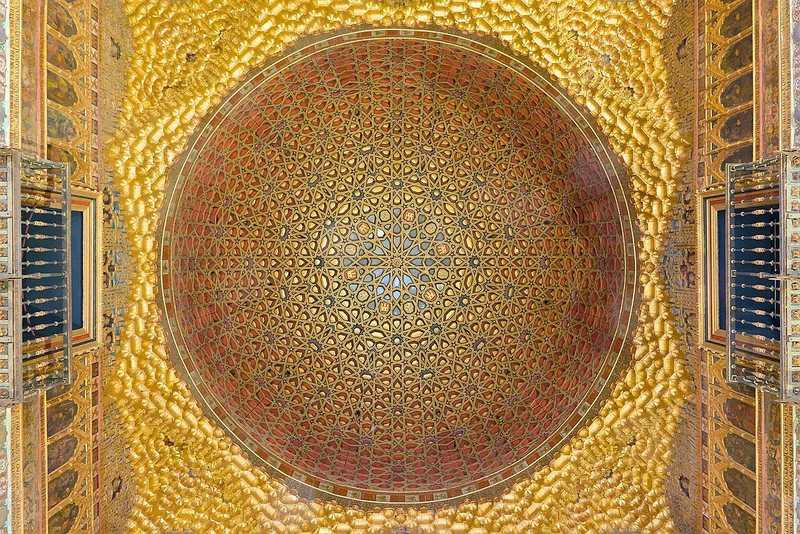
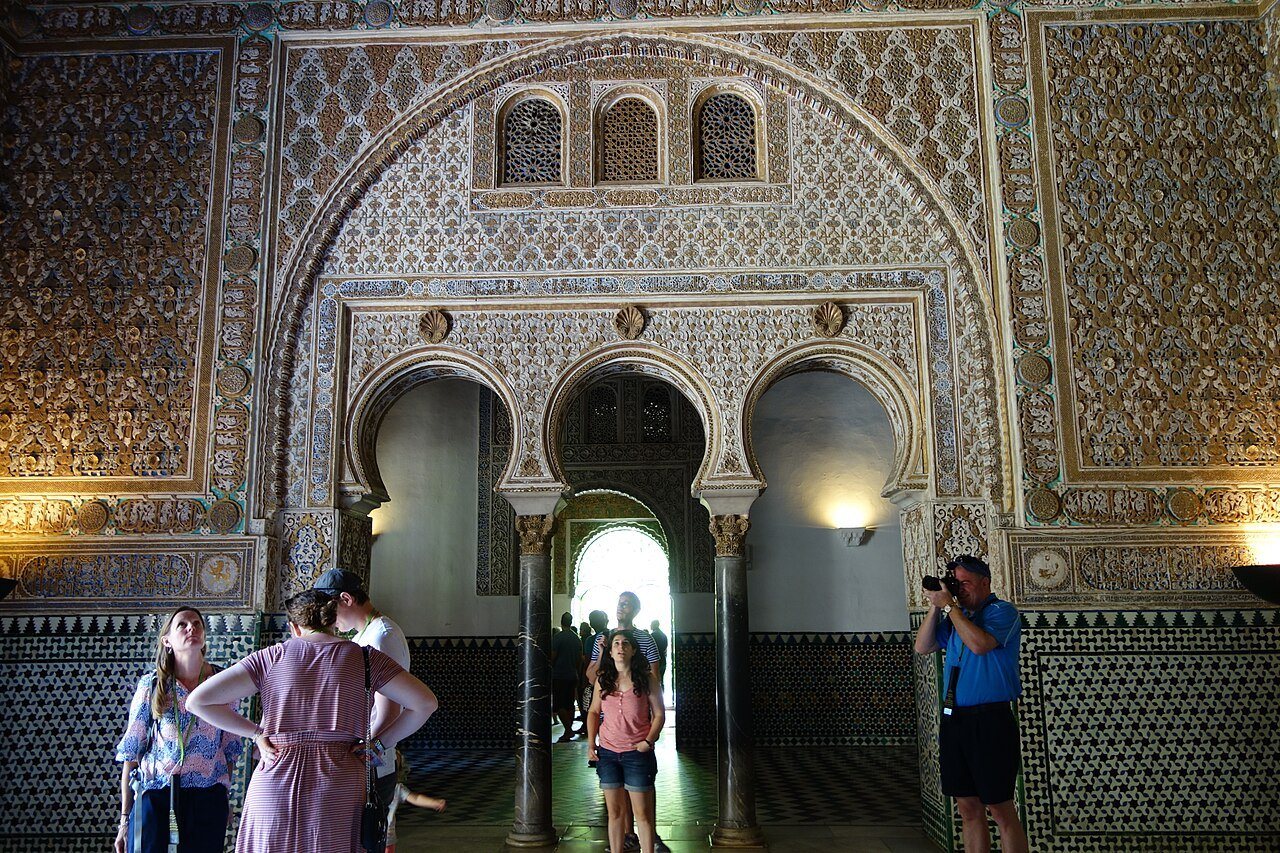
After the entrance, the route through the palace is largely a fixed path rather than an open floor plan — you move through the Patio de las Doncellas, the Salón de Embajadores, and the upper rooms in a set sequence, which is worth knowing so you don't linger so long in the first courtyard that you feel rushed through the more striking rooms further in. The gardens are the exception: they open out and reward slow wandering, with shaded arcades and pools that make a real difference on a hot afternoon. See shade for how the gardens compare to other cool spots in the old city.
⭐ If your ticket includes the upper Royal Rooms (the private apartments still used for royal visits), note that access to those is often handled as a separate timed entry within your visit, sometimes booked as an add-on with its own slot. Check this at the time of booking rather than assuming your general admission covers it.
Where the Alcázar fits in a day
Because the entry window is the fixed point of the day, build everything else around it rather than the other way around. The cathedral sits close enough that pairing the two makes sense, but not on the same timed clock — treat them as separate bookings with separate windows and don't assume you can slot one before the other with room to spare. See itineraries for how other visitors have sequenced the two, and getting around for how long it actually takes to cross the old city on foot at midday, when the narrow streets are at their most crowded and slowest going.
The core rule is simple: the timed slot is a door, not a clock. Book it seriously, arrive with margin, and once you're inside, forget the time on the ticket entirely.
In pictures